
Ragdoll Kitten Diet & Nutrition Guide
Supporting Healthy Growth From the Start
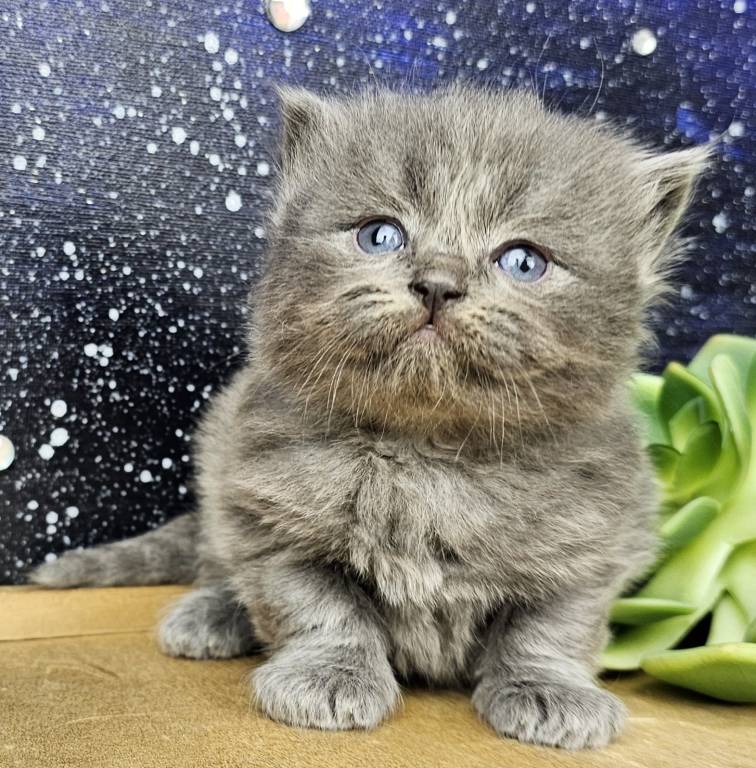
Feeding a Ragdoll kitten properly is one of the most influential factors in their early development. Nutrition affects coat quality, bone growth, digestion, and long-term wellbeing. The Ragdoll Kitten Diet & Nutrition Guide has been prepared to help new owners avoid common mistakes, choose suitable food, and build feeding routines that support healthy growth.
This guide is designed for families across Australia who are preparing to welcome a kitten or who have recently adopted one and want clear, practical feeding advice.
What the Guide Includes
The Ragdoll Kitten Diet & Nutrition Guide is structured to give practical, easy-to-apply information rather than generic feeding advice.
Inside the guide you will find:
- Recommended feeding schedules for different ages
- Guidance on choosing quality wet and dry foods
- Portion sizes and how to adjust as kittens grow
- Tips for transitioning between foods safely
- Common feeding mistakes and how to avoid them
- Hydration and water intake recommendations
- Treats, supplements, and what to avoid
This information is based on real breeder experience and everyday kitten care practices.
Pricing
The guide is provided free of charge for families who are:
- Enquiring about upcoming litters
- Preparing to reserve a kitten
- Looking for advice before purchasing
Additional support or personalised feeding advice may be discussed during consultations when adopting. Contact us.
Key Features
- Practical feeding schedules you may follow immediately
- Clear explanations suitable for first-time kitten owners
- Breed-specific advice focused on Ragdolls
- Easy reference layout for quick guidance
- Support available after download
Feeding Ragdoll Kittens: Why Breed-Specific Advice Matters
Ragdoll kittens grow differently from many other breeds. They mature slowly, develop substantial bone structure, and carry a thick coat that relies on good nutrition to remain healthy. General feeding guides found online often overlook these breed traits, which may lead to overfeeding, digestive upset, or poor coat condition.
A structured Ragdoll Kitten Diet & Nutrition Guide helps owners provide balanced meals at the right stages of development. Protein levels, moisture intake, and feeding frequency all play a role in steady growth and healthy weight management.
Many first-time owners are unsure whether to feed wet food, dry food, or a combination of both. The answer often depends on the kitten’s age, activity level, and digestive tolerance. Gradual transitions between foods are also recommended to prevent stomach upset, particularly during the first few weeks in a new home.
Having access to practical feeding advice early allows owners to establish consistent routines, which kittens respond to well. Stable feeding patterns also support litter training, sleep routines, and calmer behaviour.

Getting Started With the Guide
Step 2
Receive your copy of the guide by email.
Step 3
Review feeding schedules and preparation tips.
Step 4
Ask questions or request clarification if needed.
Step 5
Apply the feeding plan when your kitten arrives.
Building Healthy Feeding Habits in the First Year
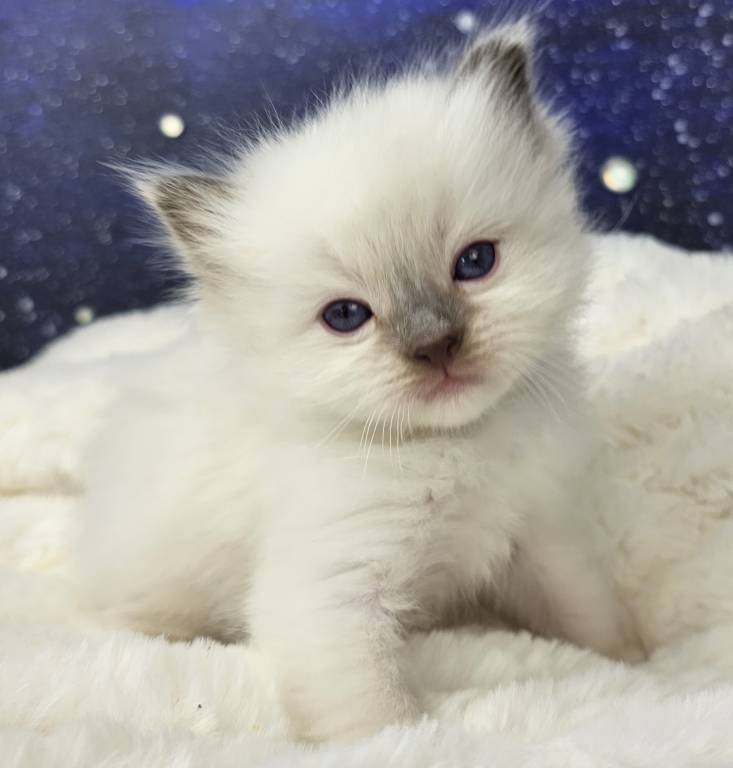
The first year of a kitten’s life is when feeding habits are formed. Consistency, portion control, and food quality all contribute to long-term health. Owners who follow structured feeding advice often report fewer digestive issues and smoother transitions to adult diets.
A well-prepared Ragdoll Kitten Diet & Nutrition Guide helps new owners recognise normal eating behaviour and identify signs that something may need adjusting. Appetite changes, weight fluctuations, and hydration levels may all provide early clues about a kitten’s health.
Routine feeding times help kittens feel secure, especially after moving into a new home. Water availability is equally important, as many cats naturally drink less than expected. Offering fresh water daily and using wide, shallow bowls may encourage better intake.
Owners who prepare in advance often find that feeding becomes one of the easiest parts of kitten care. With the right guidance and planning, establishing a reliable routine may reduce stress for both kittens and families.
What Sets Mountain Hollow Ragdolls Apart
Choosing a breeder who prioritises long-term kitten health makes a difference. Mountain Hollow Ragdolls focuses on responsible breeding and practical owner education.
Reasons families choose Mountain Hollow Ragdolls:
- Ongoing guidance before and after adoption
- Carefully raised kittens in a home environment
- Clear communication throughout the reservation process
- Practical advice based on real experience
- Support for new owners adjusting to kitten care
- Commitment to kitten wellbeing and responsible ownership
You may also learn more about their breeding philosophy here.

Exceptional Customer Satisfaction
Trustindex verifies that the original source of the review is Google. I got my beautiful kitten from Mountain Hollow. im very happy my kitten is very active and litter train. also we received all documnets with microchip and vaccine maintain record folder plus food / toys. Thanks Mountain Hollow from your best customer service and commitment.Trustindex verifies that the original source of the review is Google. My beautiful kitten Maverick arrived safe well socialised friendly beautiful he came with a package with much information about ragdolls. Then l got another beautiful Ragdoll Teddy about same age both kittens are now 2 years old and gorgeous highly recommend this businessTrustindex verifies that the original source of the review is Google. I would highly recommend Mountain Hollow Ragdolls. We bought our lovely Alfie from there and couldn’t be happier. The purchasing experience was professional, well communicated and set us up with everything we needed to welcome Alfie to our home. Alfie was well socialised and cared for prior to our pick up. He has a lovely temperament - affectionate and confident. Nick was great with answering questions both prior to, and after, picking up Alfie. We also received a folder with all paper work and certificates, very organised!Trustindex verifies that the original source of the review is Google. Amazing kitten. We absolutely love him. Thank you people for our kitten and beautiful toys, litter, package and guide how to treat our new kitten.Trustindex verifies that the original source of the review is Google. I have bought 2 ragdolls from this breeder I bought the first a female I was so impressed I bought another a male bi colour they are both so healthy they have fantastic personalities I love them and they love me.Trustindex verifies that the original source of the review is Google. Good communication kitten was as described they arranged everything to get him from one state to another he is beautiful. Breeder answered everything and very honest and trustworthyTrustindex verifies that the original source of the review is Google. 2 of my beautiful girls come from Mountain Hollow. Both from different litters but both equally as loving and affectionate. Would recommend a ragdoll to everyone and especially one from Nic and Tamara.Trustindex verifies that the original source of the review is Google. I got my beautiful kitten Alfie from Mountain Hollow and would highly recommend them as a trustworthy breeder who will answer any questions you might have and provide an incredible welcome bag with all the info you’ll ever need to get your Ragdoll kitten settled in. Alfie has settled in so quickly, is fully litter trained and the most affectionate gorgeous little thing. I know there’s plenty of scammers out there so just want to write this review to give buyers peace of mind. You can trust MH to provide you with great service & a gorgeous healthy kitten!
FAQs: Ragdoll Cats for First-Time Pet Owners
When should I change my kitten’s food?
Most kittens benefit from gradual transitions over 7–10 days. Sudden changes may cause digestive upset.
How often should a Ragdoll kitten be fed?
Younger kittens often eat three to four small meals per day. As they grow, feeding frequency may reduce.
Do Ragdoll kittens need special food?
They do not always require breed-specific formulas, but high-quality kitten food and correct portion sizes are recommended.
Can I give treats to my kitten?
Treats may be given in small amounts, but they should not replace balanced meals.
Will I receive support after adopting a kitten?
Yes. Ongoing guidance is available for feeding, care, and settling advice.
Ready to Begin Your Journey as a First-Time Pet Owner?
A Ragdoll kitten from Mountain Hollow gives you the perfect start: confidence, support, health assurance, and a loving companion.